
Artificial grass offers a low-maintenance alternative to natural turf, but it still requires regular care to preserve its appearance and longevity. This guide provides expert, educational advice on keeping artificial grass looking pristine for years to come. By following these practical steps, you can optimise your artificial grass care and maintenance routines and protect your investment.
Artificial Grass Care and Maintenance
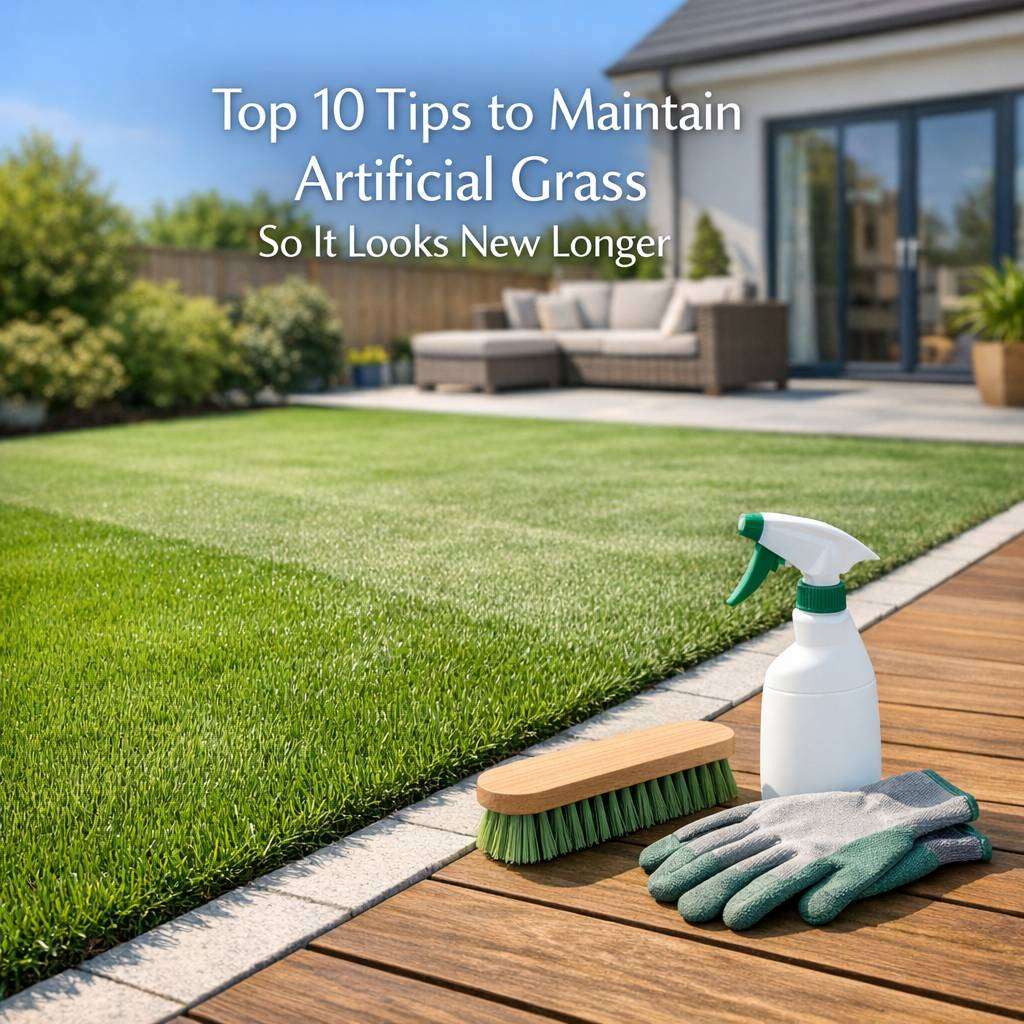
A routine care plan is essential for long-lasting turf. Start with regular brushing to lift the fibres and prevent matting, especially in high-traffic areas. Use a stiff-bristled brush on dry days to maintain upright fibres and a gentle rake to lift any debris trapped in the pile. For pet owners, rinse contaminated areas promptly and consider a mild, non-toxic cleaner if odours persist. Periodic power brushing can revitalise older installations and restore bounce and texture.
Artificial Grass Maintenance Package
A tailored artificial grass maintenance package helps ensure nothing is overlooked. A typical package includes seasonal brushing, debris removal, weed control where appropriate, infill checks, and a surface inspection after weather events. Engaging a maintenance package with a reputable provider can extend the life of your turf, reduce issues such as compacted infill, and keep drainage working effectively.
Maintain Artificial Grass
To maintain artificial grass effectively, keep the surface clean of leaves, twigs, and litter. Use a leaf blower or a light rake to prevent clutter that can trap moisture and promote mould growth. Periodically inspect joints, seams, and edging to ensure the installation remains secure. For heavy rain or flooding, verify that drainage channels remain clear and that the turf dries quickly to deter mould and mildew.
Maintenance Artificial Grass
Maintenance artificial grass requires attention to both the surface and its environment. Ensure the infill level is appropriate for the chosen product and relocate it if it becomes uneven. Avoid placing hot objects on the turf and be mindful of oils or paints that can stain the surface. Regular uptakes of seasonal cleaning, such as a light wash and rinsing, help maintain the turf’s appearance and pliability.
Artificial Grass Maintenance UK
In the UK, weather can be changeable, so regular checks are vital. Inspect the turf after heavy rainfall or snowfall, ensuring drainage remains unblocked and the pile has not suffered damage. Use cool water for cleaning to prevent any chemical reactions with the backing materials. Local regulations may influence maintenance routines, so partner with a provider familiar with UK standards and best practices for artificial grass care and maintenance.
Maintaining a pristine lawn starts with proper maintenance of artificial turf to keep it looking lush year-round and free of debris. For essential tips on maintain artificial grass, visit https://www.artificialgrassmaintenance.co.uk, then implement regular brushing, prompt spill cleanups, and seasonal cleaning to preserve pile integrity and drainage performance. Consistent care minimizes matting and extends your turf’s vibrant, natural appearance.
Artificial Pitch Maintenance
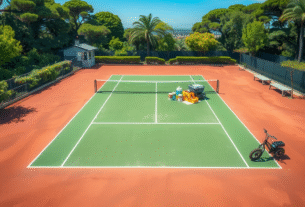
Artificial pitch maintenance involves more frequent inspections due to higher activity levels. Check for wear in goal areas and high-traffic zones, replenish infill if needed, and verify that the surface remains even and soft enough to prevent injuries. Ensure lines and markings remain visible if applicable, and perform routine sanitisation where kids’ play or school use is common. Regular grooming helps maintain an even playing surface and prolongs the life of the pitch.
Maintenance of Artificial Grass
The maintenance of artificial grass is a blend of cleaning, grooming, and environmental management. Clear debris weekly, inspect for shading that creates uneven growth, and consider a light brushing in the opposite direction to restore fibre alignment. Keep pets away from the turf for a short period after cleaning to allow the fibres to settle. For lawns, mowing is replaced by brushing, but similar care principles apply: avoid sharp objects and heavy equipment on the surface.
Maintaining Artificial Grass
Maintaining artificial grass efficiently involves proactive planning. Create a seasonal schedule that includes brushing frequency, infill checks, and drainage checks after storms. If your installation has a pet area, implement a routine to flush and deodorise as needed. Regularly check for and repair loose seams or loose edging to prevent trip hazards and further damage.
Practical Cleaning Tactics for Longevity
- Brush regularly to keep fibres upright and restore the original pile direction.
- Remove debris promptly to prevent mould and drainage blockages.
- Use a garden hose on a low-pressure setting for a gentle wash; avoid high jets that can lift the fibres.
- For staining, spot-clean with a mild detergent diluted in water and rinse thoroughly.
- Inspect the backing and joints periodically and address any loosening or fading seams quickly.
Seasonal Care Considerations
- Spring: Rinse after pollen and airborne debris, reseed not applicable, but brush edges to maintain a neat boundary.
- Summer: Check for heat exposure signs; use deterrents for pets if they show signs of turf sensitivity and ensure the surface remains cool by providing shade or ventilation.
- Autumn: Clear fallen leaves promptly and increase brushing frequency to reduce moisture retention.
- Winter: Ensure drainage channels are clear, remove damp leaves promptly, and avoid prolonged standing water to prevent mould.
By adhering to these guidelines, you can sustain the beauty and functionality of artificial grass for longer, while minimising ongoing maintenance demands. If you require tailored support, consider a professional artificial grass maintenance UK service or consult your local supplier about a maintenance package that suits your installation and usage patterns.