

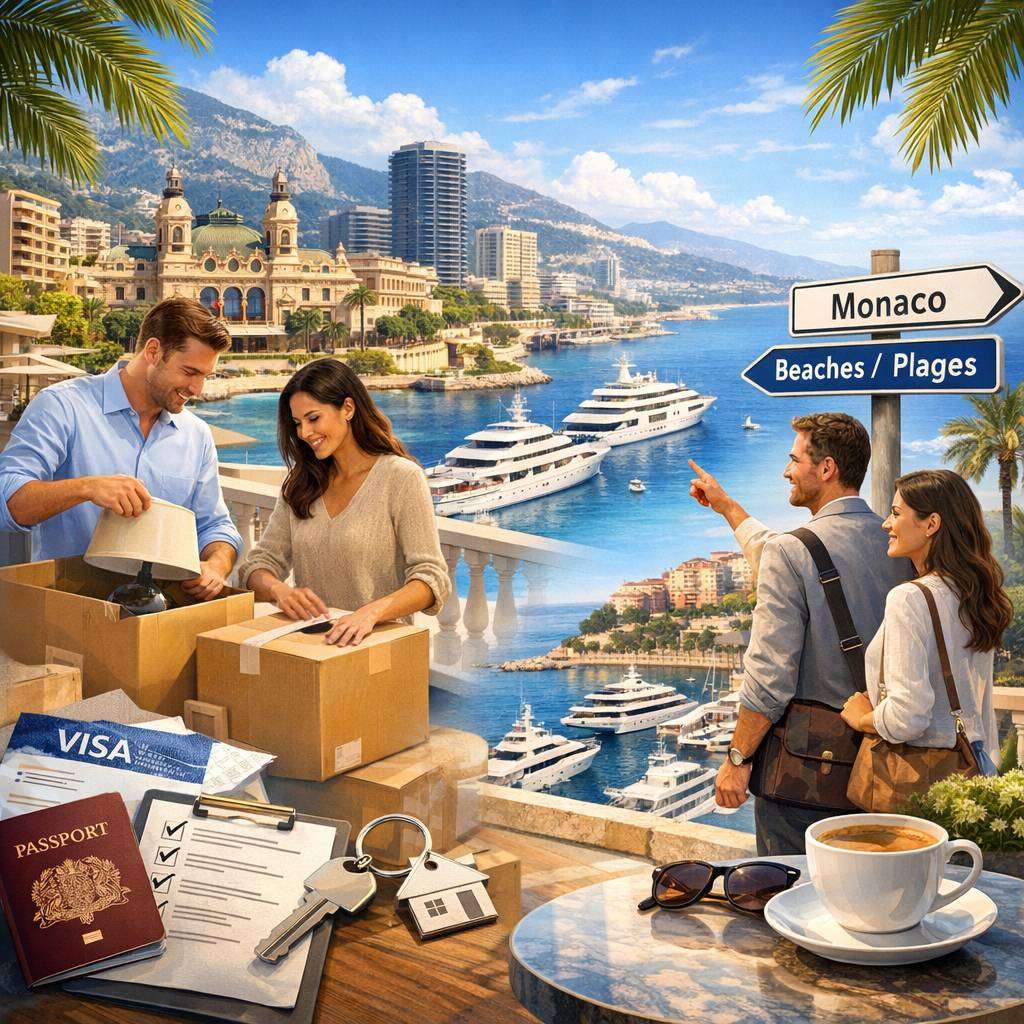
Relocating to Monaco is a dream for many: stunning scenery, a mild climate, a thriving cultural scene, and a reputation for safety and exclusivity. As an expert guide, I’ll walk you through practical steps, costs, and tips to help you navigate the process smoothly. This guide covers everything from the initial decision to settle, through the relocation itself, to enjoying life in the Principality.
Relocating to Monaco
Relocating to Monaco demands careful planning, particularly around residency, housing, and finance. The principality offers a favourable tax climate for many residents, coupled with world‑class services. Here are the essential steps to get you started:
- Understand your visa and residency options: Monaco does not grant visa; instead, it issues residency permits. Most residents enter on a long‑term visa, then apply for a residence permit after establishing a primary address and employment or sufficient means.
- Establish a principal home: A one‑bedroom apartment in Monaco or nearby communities (Monte Carlo, La Condamine, Fontvieille) often serves as the anchor of your application. You will typically need to demonstrate a physical address and permanence.
- Financial readiness: Many applicants must show sufficient funds and a stable income. Banks in Monaco are selective, with stringent due‑diligence processes. Having clear documentation of assets and income simplifies the banking and residency steps.
- Hire local experts: Given the tight regulatory environment and high standards, working with an immigration lawyer, a relocation specialist, and a reputable real estate agent is wise. They can streamline paperwork, introduce you to the right properties, and help you navigate tax and banking considerations.
FAQ: Relocating to Monaco
1. Is Monaco a good place to relocate for residents?
Monaco is renowned for its safety, tax regime, climate, and high standard of living. It attracts professionals, entrepreneurs, and retirees. Consider the cost of living, housing availability, and eligibility for residency when deciding if it’s the right fit for you.
2. What are the main residency options in Monaco?
Options typically include:
- Permanent residency through long-term visas or residency programs
- Professional and skilled worker residency tied to employment with a Monaco-based company
- Family reunification and dependent residency
- Economic or investment-based residency under certain criteriaEligibility and requirements vary, and applicants often need a local address, clear background checks, and sufficient means.
3. What documents are required to apply for residency?
Commonly required documents include:
- Valid passport and copies
- Birth certificates and marriage/divorce certificates (if applicable)
- Proof of address in Monaco (lease or property ownership)
- Proof of sufficient financial means
- Clean criminal record
- Employment contract or proof of self-employment
- Medical certificate or health insuranceNote: Requirements can differ by program and are subject to change.
4. How long does the Monaco residency process take?
Processing times can vary from a few months to over a year, depending on the program, completeness of documents, and government efficiency. It’s advisable to start early and work with a local legal advisor.
5. Do I need to live in Monaco full-time to maintain residency?
Many residency routes expect genuine domicile, meeting a minimum presence or physical residence requirement. This can differ by program, and some visas allow for periodic stays outside Monaco. Check the specific conditions attached to your residency type.
6. What about taxes if I relocate to Monaco?
Monaco is known for its favorable tax environment, particularly for individuals without certain connections to France. However, tax obligations can depend on residency status, nationality, and sources of income. It’s wise to consult a tax advisor to understand personal implications.
7. How expensive is it to live in Monaco?
Monaco has a high cost of living, driven by housing, services, and goods. Rent and property prices are among the highest in Europe. Budget for housing, dining, transport, healthcare, and schooling accordingly.
8. Is it easy to find housing in Monaco?
Housing can be competitive and expensive. Shortages of available properties exist, especially for long-term rentals. Working with a local real estate agent or relocation company can help identify suitable options and navigate contracts.
9. What are visa considerations for EU/EEA/Swiss vs non-EU citizens?
EU/EEA/Swiss citizens have streamlined rights but still require verification for residency. Non-EU citizens typically face stricter checks and longer processing times. Always verify current rules with Monaco authorities or a qualified immigration lawyer.
10. Do I need a local address to apply for residency?
Yes, most residency routes require a local address or proof of accommodation in Monaco. This is essential for correspondence and official filings.
11. What healthcare options will I have in Monaco?
Monaco has a high-quality healthcare system with public and private providers. Residents often have access to private health insurance. Specific access depends on residency status and insurance arrangements.
12. How do I open a bank account in Monaco?
You will typically need:
- Proof of residency or local address
- Passports and identification
- Proof of income or employment
- References or business documentation for self-employed or corporate accountsBanking hours and requirements vary by bank; some banks have strict onboarding due to anti-money laundering rules.
13. What about schooling for families relocating with children?
Monaco offers international schools and French-speaking institutions. Admissions can be competitive and may require testing or placement assessments. Consider enrollment timelines and visa requirements for dependents.
14. Can I bring my car to Monaco?
Yes, but you’ll need to register it and may face import duties, registration fees, and road tax. Monaco is small, so many residents rely on taxis, public transport, or nearby French road networks.
15. Should I hire a relocation specialist or attorney?
Given the complexity of Monaco’s residency options and documentation, consulting with a relocation specialist or immigration attorney is highly recommended. They can help with timing, document preparation, and compliance with local regulations.
16. What is the best time of year to relocate to Monaco?
Monaco has mild weather year-round. The best timing depends on housing availability, job start dates, school calendars, and visa processing timelines rather than seasons.
17. Are there any cultural or lifestyle considerations to know before relocating?
Monaco is cosmopolitan with a fast-paced, service-oriented culture. Understanding local etiquette, tax implications, and social norms can ease integration. Proximity to France and Italy also influences language and living habits.
18. How can I get started with relocating to Monaco?
- Define your residency goals (employment, investment, family)
- Gather core documents and plan financial means
- Consult an immigration lawyer or relocation expert
- Contact Monaco authorities or consulates for current requirements
- Begin housing and school arrangements if needed
If you’d like, I can tailor this FAQ to your specific situation (e.g., EU vs non-EU, with/without family, investment-focused).
Monaco Relocation: Housing, Jobs, and Schooling
Housing is often the first hurdle for relocating to Monaco. Space is at a premium, and prices reflect the principality’s desirability. Practical tips:
- Start property searches early: The market moves quickly. Engage a trusted estate agent who understands your needs—proximity to schools, work, and transport.
- Consider nearby towns: If Monaco proper proves pricey, look at nearby French towns on the Côte d’Azur (Menton, Beausoleil, Roquebrune-Cap-Martin) or the neighbouring Italian enclave of Ventimiglia for more spacious and affordable options.
- Living costs: Monaco is renowned for luxury living, but day‑to‑day expenses can be high. Budget for rent, utilities, healthcare, and social activities. A modest apartment in a well‑connected area can still command a premium.
- Employment and permits: If you’re relocating for work, ensure your employer supports your residency application and provides necessary documents. If you’re self‑employed or retired, you’ll need to demonstrate a stable financial footing.
Education and schooling are pivotal for families moving to Monaco:
- Public and private options: Monaco has a well‑regarded educational ecosystem, including the Lycée Albert 1er and the Lycée Technique et Hôtelier de Monaco. There are also international schools in neighbouring areas that may be more convenient for some families.
- Language considerations: French is the official language in Monaco, with English widely used in international communities and schools. If your children are younger, consider language support plans to ease integration.
Monaco Relocation: Getting Your Residency Right
Securing residency is a multi‑step process that benefits from careful documentation and patience:
- Gather documentation: You’ll typically need a valid passport, birth certificate, proof of address, proof of income or savings, health insurance, and references. Documents may require translation into French and authentication.
- Demonstrate hoteling or a permanent address: For the first stage, you may prove accommodation arrangements. After establishing a legal address, you can proceed with the residence permit application.
- The formal application: Submit through the appropriate authorities—often via your relocation agent or attorney. The process can involve interviews and background checks.
- Timeframe: Residency permits can take several weeks to months, depending on your profile and the completeness of your application. Plan accordingly and remain flexible.
Monaco Relocation: Healthcare and Living Well
Healthcare in Monaco is excellent, with access to private clinics and hospitals, alongside French and Italian systems nearby:
- Public vs private: Most newcomers opt for private health insurance to complement the principality’s high‑quality medical infrastructure. Ensure continuity of cover if you spend time outside Monaco.
- Social life and culture: Monaco is a hub for culture, cuisine, and sport. From the Monaco Grand Prix to contemporary art, there’s always something to explore. The social calendar makes it easy to build networks quickly.
- Transport and connectivity: The compact nature of Monaco makes walking and cycling popular. For longer trips, Nice Côte d’Azur Airport is the international gateway, with rail connections to major European cities.
Monaco Relocation: Practical Tips for a Smooth Move
- Taxes and banking: Monaco offers advantageous tax conditions for many residents, but there are strict criteria. Open a local bank account early to streamline finances and receive statements required for residency.
- Documentation hygiene: Keep digital copies of all essential documents. Maintain up‑to‑date contact details with your relocation team and authorities.
- Networking: Join expat and business groups to establish routines and social circles. This will help you acclimate and identify services you may need, from schools to leisure activities.
- Language planning: If French isn’t your first language, invest in language lessons to ease everyday life and professional interactions. English is common in business contexts, but local fluency accelerates integration.
Relocating to Monaco is an exciting journey that blends lifestyle excellence with meticulous planning. With the right preparation, you can navigate the residency process smoothly, secure suitable housing, and begin enjoying life in the Principality. If you’re considering relocating to Monaco, partnering with experienced professionals can be a game changer, ensuring that your Monaco relocation is efficient and rewarding.
Relocating to Monaco offers luxury, tax advantages, and a cosmopolitan lifestyle. If you’re relocating to Monaco, start planning with trusted guidance and local expertise. Seek expert relocation support at https://www.relocation-monaco.com/ to streamline paperwork, residency options, and housing, making your move seamless and enjoyable.