

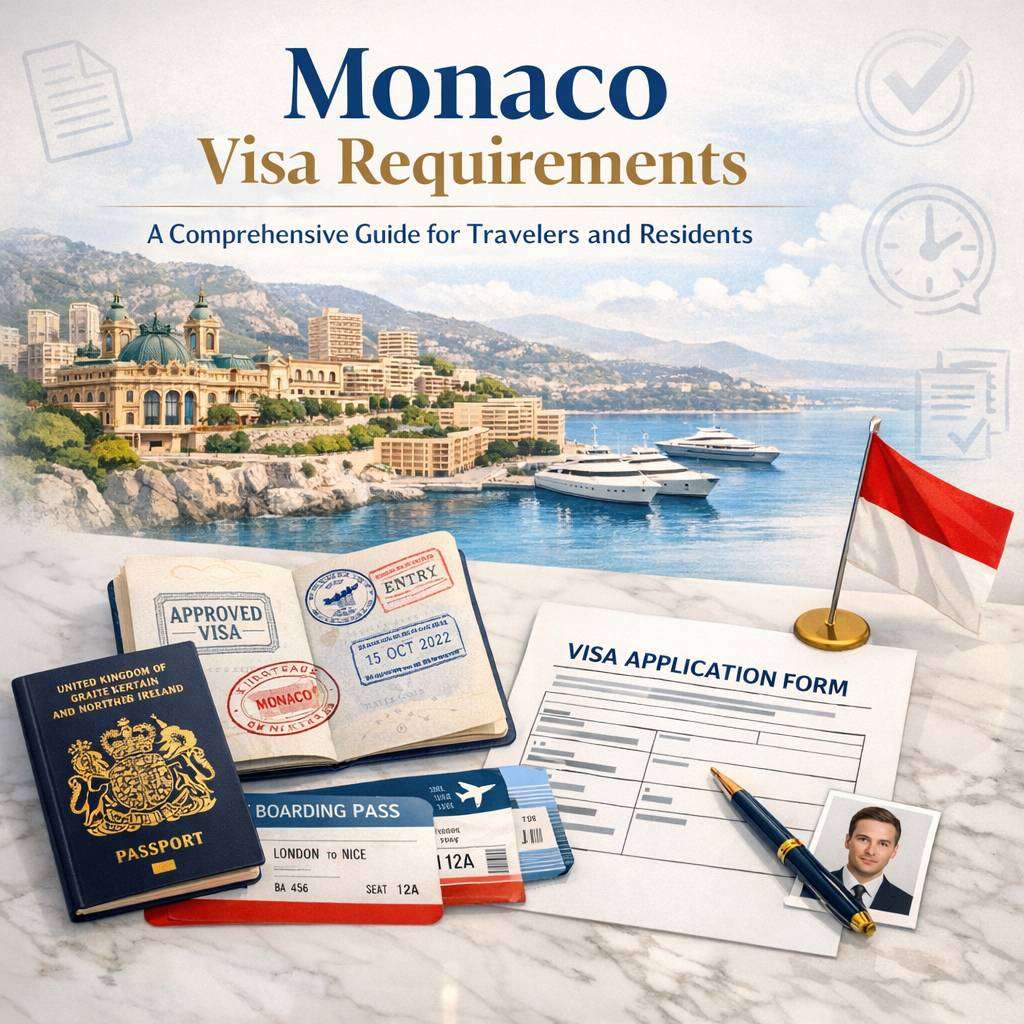
Monaco is a glittering destination perched on the French Riviera, famed for its luxury, stunning harbour, and proximity to the glamour of the Côte d’Azur. For many travellers and prospective residents, understanding visa options and entry formalities is essential to make the most of a visit or a longer stay. This guide provides a clear overview of the processes, requirements, and practical tips to navigate Monaco’s entry and residency rules with ease.
If you’re planning a trip or a move, starting with the basics helps prevent delays at border control or within administrative channels. Whether you seek the simplicity of a short visit or the potential pathways to residency, knowing the landscape of monaco entry requirements and visa to Monaco early on will save time and hassle.
FAQ: Monaco Visa
What is a Monaco visa?
A Monaco visa is a travel authorisation that allows eligible visitors to enter Monaco for tourism, business, or short stays. Monaco uses a system tied to the visa policies of France, since Monaco is surrounded by French territory. Most travelers will apply for a short-stay visa via the French consulate or through visa-exempt arrangements depending on nationality.
Do I need a visa to visit Monaco?
Whether you need a visa depends on your nationality and the purpose/duration of your stay. Many nationalities can enter Monaco for short stays by virtue of France’s Schengen agreements or visa-exemption programs administered through French consulates. Check the latest official government guidance for your country.
How can I apply for a Monaco visa?
Monaco itself does not issue standalone visas. Most travelers apply through the French visa system, typically via a French consulate or visa center. You will usually apply for a short-stay (Type C) visa if your stay is up to 90 days within a 180-day period, or for longer stays through appropriate French procedures if eligible.
What documents are required for a Monaco visa (via France)?
Common requirements include:
- A valid passport with at least six months’ validity beyond your planned stay
- Completed visa application form
- Passport-sized photos
- Proof of accommodation in France/Monaco
- Proof of sufficient funds for the stay
- Travel itinerary or flight reservations
- Travel insurance covering the duration of the trip
- Any additional documents requested by the consulate (e.g., invitation letter, employment proof)
Note: Requirements can vary by country and consulate, so always check the specific consulate’s checklist.
How long does it take to process a Monaco visa?
Processing times vary by country and season, but a typical short-stay visa application can take anywhere from 5 to 15 calendar days after an appointment or submission. Peak travel periods may require additional time. Apply well in advance of your planned travel.
How long can I stay in Monaco with a visa?
With a standard short-stay visa (via France), you can generally stay up to 90 days within a 180-day period. Longer or different stay purposes (study, work, long-term residency) require separate procedures and approvals.
Can I travel to Monaco visa-free?
Some nationalities may be visa-exempt for short visits, often due to France’s visa-exemption policies. However, entry is ultimately at the discretion of border authorities, and travelers should verify current rules based on their nationality.
Do children need a visa for Monaco?
Visa requirements for minors follow the same rules as adults for the applicable nationality. Always verify the specific consulate requirements for minors, including parental consent documents and, if applicable, birth certificates or guardianship letters.
Can I extend my Monaco visa?
Short-stay visas are typically not extendable beyond the 90-day limit within a 180-day period. If you need a longer stay, you would need to apply for an appropriate visa or permit through the French authorities or pursue other legal avenues depending on your situation.
Can I work in Monaco with a visa?
Short-stay visas generally do not permit work. If you intend to work, you must obtain the proper work visa or residence permit through the relevant authorities. Check French and Monaco regulations for employment permissions tied to your nationality and situation.
Do I need travel insurance for a Monaco visa?
Yes. Travel medical insurance that covers illness and accident for the entire duration of your stay is typically required or strongly recommended. Some consulates require proof of insurance as part of the application.
How can I verify the current Monaco visa requirements?
Check:
- The official website of your country’s French consulate or visa center
- The Embassy/Consulate of France in your country
- Monaco government travel advisories for any nationality-specific notesRules can change, so verify close to the time of application.
What are common mistakes to avoid when applying for a Monaco visa?
- Submitting incomplete or inconsistent documents
- Applying too late or too early (missing appointment windows)
- Not aligning travel dates with the 90/180-day limit
- Failing to provide proof of funds or travel insurance
- Providing translations that are not certified or notarised when required
Where can I find official guidance for a Monaco visa?
Official guidance can be found through:
- The French Ministry for Europe and Foreign Affairs websites
- The French consulate or embassy in your country
- The Monaco government’s official tourism or residency guidance for non-immigration matters
If you have a specific nationality or travel situation, tell me and I can tailor the guidance to your case.
What is required for a Monaco entry?
Monaco itself does not have its own border controls for most travellers; instead, entry is controlled through France. If you arrive by air, you’ll typically land at Nice Côte d’Azur Airport, and from there you’ll travel by road to Monaco. This proximity means that many of the visa requirements align with the French visa regime, particularly for short stays.
Key points to consider:
- Passport validity: A passport should be valid for at least six months beyond your planned date of departure.
- Schengen/France coordination: Although Monaco is not a member of the Schengen Area, travellers with Schengen or French visas often have simplified entry pathways, thank to the close administrative ties. Always verify the current stance with the nearest consulate before travelling.
- Visitor visas: For many nationalities, a visa to Monaco is not issued separately; entry is determined under French or Schengen rules via a French consulate. It is essential to confirm whether your nationality requires a visa for France or for the broader Schengen zone prior to travel.
- Duration of stay: Short stays are usually governed by the French visa regime (up to 90 days within a 180-day period) for many nationalities. Extensions or longer stays require more specialised arrangements and should be discussed with consular services.
Monaco visa requirements for short stays
For travellers visiting Monaco for tourism, business, or family visits, the primary consideration is whether you need a visa to Monaco or can enter through France on a Schengen visa. The key steps include:
- Confirm your visa type: Depending on your nationality, you may need either a visa to Monaco (via France) or a Schengen visa that covers France and Monaco.
- Documentation: A valid passport, completed visa application (if applicable), travel itinerary, proof of accommodation in the area, and evidence of sufficient funds for the stay.
- Health and travel insurance: It’s prudent to have travel insurance that covers medical expenses for the duration of your visit.
- Return/onward tickets: Demonstrating your plans to leave Monaco or the Schengen zone within the permitted period helps support the visa application.
- Minimum funds: Some consulates require evidence of funds to cover your stay.
Monaco’s entry approach means many travellers rely on French or Schengen visas, rather than a standalone Monaco visa. If you already hold a valid Schengen visa or a visa to France, you can typically spend time in Monaco within the permitted limit.
Monaco visa requirements for longer stays and residency
For those seeking longer-term stays, including work, study, or residency, the process becomes more involved:
- Work permits: Employment in Monaco requires a work permit granted by the Monegasque authorities. Your prospective employer often assists with the application.
- Residency routes: There are several routes to residency, including:
- Employment-based residency: Short-term work permits followed by a residence permit.
- Family reunification: Spouses, dependants, or family members may pursue residency through familial links.
- Financially independent residency: In certain circumstances, individuals with significant financial means may qualify under specific categories.
- Documentation: Typical requirements include a valid passport, birth certificate, police clearance certificates, medical certificates, proof of accommodation, proof of income or financial resources, proof of health insurance, and a detailed plan outlining your stay.
- Processing times: Monaco’s administrative processes can take time, so begin early and coordinate with your employer, family sponsors, or legal advisors.
- France connection: Since Monaco shares a border and relies on French systems for many administrative tasks, you may encounter processes that align with French residency requirements. Consulting with a specialist who understands both jurisdictions can be beneficial.
- Employment-based residency: Short-term work permits followed by a residence permit.
- Family reunification: Spouses, dependants, or family members may pursue residency through familial links.
- Financially independent residency: In certain circumstances, individuals with significant financial means may qualify under specific categories.
Monaco visa options vary for investors, residents, and workers seeking a smooth stay. This guide explains eligibility, processing steps, and timelines to help you plan effectively. For detailed services and relocation support, visit https://www.relocation-monaco.com/ to connect with experts. Ensure you understand documentation requirements and potential visa categories.
Practical tips for preparing your application
- Start early: Begin your visa or residency planning well in advance of your intended travel or move date. Administrative steps can take longer than anticipated.
- Verify nationality requirements: Always check the latest Monaco entry requirements for your passport country with a credible source—your nearest consulate or an official government travel site.
- Gather consistent documents: Maintain consistent names, dates of birth, and spellings across all documents to avoid delays or requests for corrections.
- Consider professional help: For residency, due to the strict documentation and potential complexities, engaging a lawyer or a visa specialist who understands Monaco’s rules can be invaluable.
After you arrive
- Local registration: Depending on your status (tourist vs. resident), you may have obligations to register with local authorities or the police in Monaco or the French system if you are residing near the border.
- Healthcare: Ensure you have adequate health coverage, including international or local health insurance where required.
- Banking and financial planning: If you intend to reside, you might explore banking arrangements in Monaco, which often have specific requirements and documentation.
Key terms to help you navigate
- monaco passport: A passport issued by Monaco is a rare and highly regulated document. Most visitors will be dealing with French or Schengen arrangements rather than a dedicated Monaco passport.
- monaco visa: While there is no widely publicised standalone Monaco visa for most traveller categories, many journeys use a visa to France or a Schengen visa that covers Monaco.
- visa to monaco: The practical route for many is to secure a Schengen visa or a French visa, then enter Monaco as a short-stay visitor.
- monaco entry requirements: Monitored by French authorities at border points; ensure your passport validity and compliance with visa rules.
- monaco visa requirements: Vary by nationality and purpose; consult official sources for up-to-date guidance.
If you’re planning a trip or a longer stay, staying informed about monaco visa requirements and entry rules will help you navigate smoothly. Always consult the official consulate or embassy resources for the most current guidance specific to your nationality and circumstances.