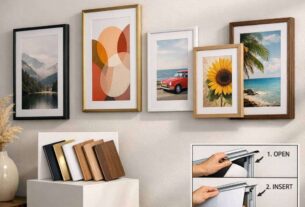

Snap frames have evolved from simple, utilitarian display tools into versatile design elements that can elevate interior aesthetics while protecting and showcasing artwork, notices, or photography. As an expert in display solutions, I’ll explore current trends, materials, and finishing options for snap frames, with practical guidance for selecting, installing, and optimising their impact.
The resurgence of snap frames in contemporary interiors
Historically, snap frames were valued for their convenience and quick-change capability. Today, they are reimagined as design-forward pieces that blend seamlessly with diverse aesthetics—from minimalist galleries to bold commercial spaces. The key trend is adaptability: frames that disappear into the wall or deliberately stand out as curated focal points. Modern snap frames often feature low-profile profiles, discrete fasteners, and interchangeable inserts, enabling frequent updates without compromising the overall look.
In addition to aesthetics, engineers have prioritised durability and ease of maintenance. Frames that resist glare, fingerprints, and weathering are increasingly common in high-traffic areas. The result is a product that remains beautiful and functional over time, whether used in retail displays, offices, or homes.
Materials: choosing the right construction for longevity and style
The material composition of snap frames significantly influences both appearance and performance. Here are the most prevalent options and what to consider when choosing.
- Plastic snap frames: Lightweight and economical, plastic frames often feature snap-in corners that allow for rapid changes. Modern plastics can be finished to mimic natural textures such as wood or metallic sheens, offering versatility without added weight. They’re ideal for temporary displays, events, and spaces where frequent update cycles are expected.
- Aluminium snap frames: Known for their rigidity, corrosion resistance, and a slimmer silhouette, aluminium frames are a favourite for professional environments. Anodised finishes can provide subtle colour toning while maintaining a polished edge. For sustainability, many manufacturers offer recycled aluminium options.
- Wood veneer frames: A warm, tactile option that pairs well with traditional or rustic interiors. Wood veneer snap frames offer character while preserving easy access to replace prints. The downside can be weight and potential warping if not properly sealed, so ensure proper humidity management in the installation environment.
- Composite and bamboo: Eco-conscious choices that balance durability with a contemporary aesthetic. Bamboo lends an organic vibe, while composite materials can mimic metal or wood without the weight.
When selecting material, consider the surrounding environment (temperature fluctuations, humidity, and direct sunlight) and the expected frequency of print changes. The ideal snap frame should protect the artwork while integrating harmoniously with the space’s material palette.
Discover stylish snap frames that instantly elevate any wall display. These versatile, easy-to-use frames protect and showcase photos, art, and memories with a modern, clean look. For quality options, explore snap frames and transform your space. Durable finishes, simple mounting, and quick rotation make storytelling effortless. Enjoy.
Finishing options: surface treatments and colourways
Finishes are the prosthetics of the design world: small choices that have outsized impact. The finishing options for snap frames influence mood, legibility, and perceived quality.
- Matte vs. gloss: Matte finishes minimise reflections and glare, which is particularly important for gallery displays or bright public areas. Gloss finishes enhance depth and can emphasise luxury materials, but may introduce glare under certain lighting conditions.
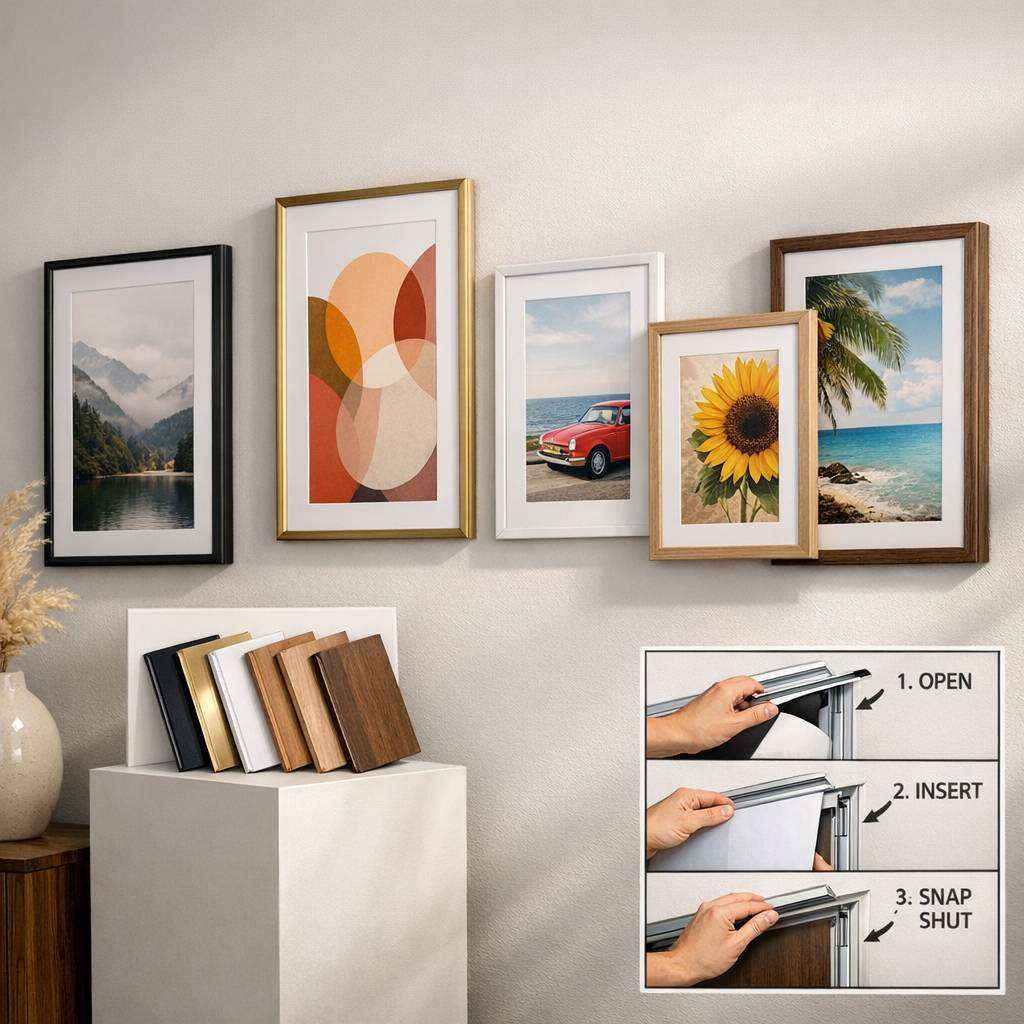
- Colourways: Neutral tones such as black, white, and grey remain timeless, offering versatility across styles. If you want a stronger design statement, consider bold colours or metallic tones (anthracite, champagne, brushed aluminium) that complement branding or architectural features. For retail and hospitality spaces, coloured frames can align with brand identities or seasonal campaigns.
- Textured surfaces: Subtle textures – such as brushed aluminium, satin wood, or micro-embossed patterns – add tactile interest without overpowering the displayed content. Textured finishes are particularly effective in commercial settings where you want the frame to feel premium without being visually dominant.
- Corner detailing: Snap frames come with a range of corner joints, from seamless mitered corners to more pronounced bevels. The choice affects the overall silhouette: a tight, modern look with square corners or a more refined appearance with rounded or chamfered edges.
A practical tip: matching the inner mat or border colour to the content can create a cohesive presentation. Conversely, a contrasting inner edge can give the display a crisp, gallery-worthy tactility.
Installation and mounting: best practices for impact and safety
Effective installation ensures the snap frame protects the content and looks intentional. Consider the following guidelines:
- Wall spacing and alignment: Use a level during mounting and ensure consistent gaps between frames if you install multiple units in a row. A well-aligned grid communicates professionalism and order.
- Fixings and weight support: For heavier frames, anchor into wall studs or use appropriate wall anchors. In high-traffic areas, choose screws with wall guards to prevent damage from accidental bumps.
- Accessibility for changing inserts: Snap frames should allow easy access to replace prints without removing the entire frame from the wall. Some designs feature tool-free access via unobtrusive side channels or top-loading openings.
- Lighting considerations: Place frames where legibility is high, avoiding direct light that can cause glare. If ambient lighting is insufficient, consider dedicated low-glare LED strip lighting positioned to evenly illuminate the display.
In practice, snap frames used in environments such as galleries or notice boards benefit from a modular approach. By planning a vertical or horizontal rhythm and using frames with consistent sizing, the space remains orderly while allowing diverse content to be showcased over time.
Practical considerations for selecting snap frames
When choosing snap frames, balance aesthetics with practicality. Ask yourself:
- How often will I change the displayed content? If frequent updates are expected, prioritise quick-access designs and lightweight materials.
- What is the environment like? Humidity, dust, and sunlight influence materials and finishes; select frames with appropriate protection and cleaning requirements.
- What is the surrounding architectural language? Choose materials and colours that either complement or deliberately contrast with the space to achieve the desired visual impact.
- What is the budget and lifecycle cost? While premium materials may incur higher upfront costs, they can provide longer lifespans and lower maintenance over time.
By foregrounding these considerations, you’ll select snap frames that not only hold the content securely but also contribute meaningfully to the space’s storytelling.
If you’re revamping a gallery corridor, updating a retail display, or refreshing a corporate corridor, modern snap frames offer a practical yet stylish solution. With thoughtful material selection, finish choices, and installation practices, these frames can become timeless components of interior design rather than mere accessories. Snap frame technology has progressed, and today it supports rapid visual updates, archival protection, and a refined aesthetic that suits diverse environments.