
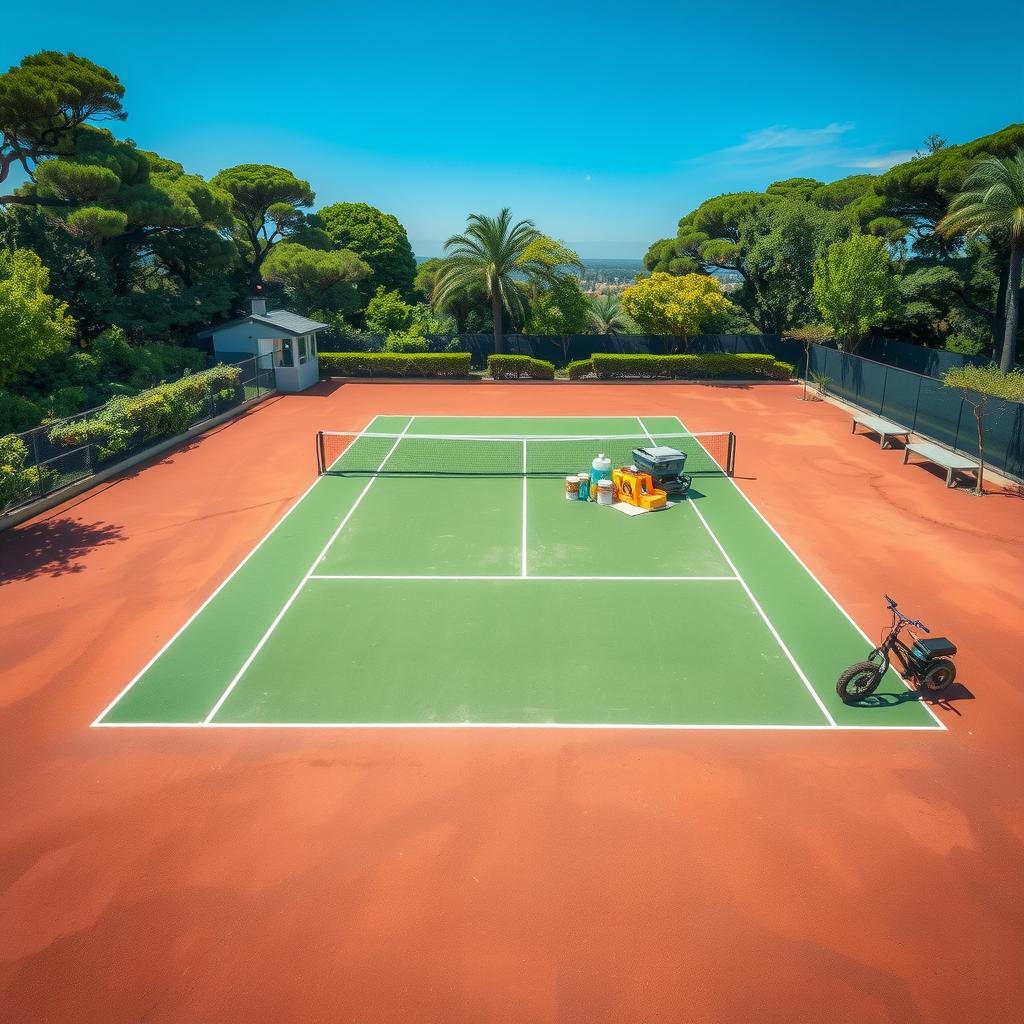
Tennis is a sport that demands precision, agility, and focus, and the condition of the court plays a significant role in the overall performance of the game. Whether you are a homeowner with your private sports facility or managing a club, ensuring your tennis court is in pristine condition is essential for both safety and playability. Regular tennis court maintenance is vital, but understanding when and how to conduct repairs is equally important for the longevity of your investment.
In this article, we will discuss various aspects of tennis court repairs, including the benefits of modern materials such as artificial grass, important maintenance practices, and specific repair techniques that can enhance the playability and durability of your court. Understanding these elements will empower you to make informed decisions that maximise performance over time.
Understanding Court Surfaces
Before delving into the specifics of tennis court repairs, it is essential to recognise the different types of surfaces available. Traditional options include hard courts, clay courts, and grass surfaces, while emerging materials such as artificial grass have gained popularity due to their low maintenance and durability. Each type has its unique characteristics, requiring different care and repair approaches.
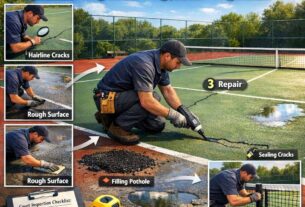
Hard courts, often constructed from concrete or asphalt, are favoured for their durability and consistent playing conditions. However, they are not immune to cracks, surface wear, or unevenness over time. Regular tennis court cleaning and maintenance can help prevent major repairs. If cracks do appear, timely resurfacing is critical. Use quality elastomeric fillers for minor cracks, followed by resurfacing to ensure an even playing surface.
Clay courts are adored for their unique playing experience, but they require specific care. Repairs typically involve re-grading the surface and replenishing the clay as needed. Regular maintenance includes watering and rolling the court to maintain its integrity. During repairs, pay attention to drainage issues, as poor water management can lead to significant problems.
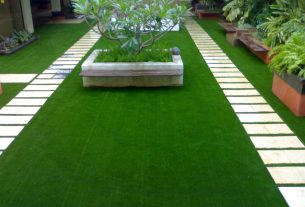
The rise of artificial grass tennis courts has revolutionised maintenance practices. These surfaces are designed to replicate natural grass while offering greater durability and less upkeep. Tennis court artificial grass is resistant to wear, UV rays, and pest infestations, making it a practical choice for many facilities. If repairs are necessary, focus on replacing the damaged fibre and ensuring proper drainage to maintain playability.
Proper maintenance is essential for tennis court repairs to ensure optimal play conditions and extend the lifespan of the surface. Regular inspections, crack filling, and resurfacing can prevent small issues from becoming major problems. To find reliable services for your tennis court repairs, consider visiting artificialgrassmaintenance.co.uk for expert solutions tailored to your needs.
Identifying Repair Needs
One of the first steps in deciding on tennis court repairs is identifying the specific issues affecting your court. Implementing regular inspections can help detect problems early, such as cracks, fading, or excess wear in playing surfaces. Key signs of damage include:
- Cracks or Separation: Particularly in hard courts, these can indicate underlying issues that need attention.
- Uneven Surfaces: These can lead to injury or decreased performance, and should be repaired promptly.
- Faded Lines and Markings: Essential for gameplay, faded markings must be repainted during maintenance weeks.
By identifying the type of surface and the problems occurring, you can tailor your repair strategy and ensure that the performance is maximised.
FAQ on Tennis Court Repairs
What are common issues that require tennis court repairs?
Common issues include cracks in the surface, uneven playing areas, worn-out lines, faded colours, and drainage problems. Regular maintenance helps these problems from becoming larger repairs.
How often should a tennis court be repaired?
The frequency of repairs depends on usage and environmental conditions. Generally, courts should be inspected at least once a year for minor repairs and resurfacing every 5-10 years to maintain optimal playing conditions.
Can I perform tennis court repairs myself?
While some minor maintenance tasks can be done by yourself (like cleaning or painting lines), most significant repairs—such as crack filling or resurfacing—are best handled by professionals to ensure proper technique and materials are used.
What types of materials are used for tennis court repairs?
Common materials include acrylic resins for surface coatings, crack fillers designed specifically for sports surfaces, and specialised paints for line marking. The choice of material often depends on the type of surface (hardcourt, clay, grass).
How long does it take to complete tennis court repairs?
The duration varies based on the extent of damage. Minor cosmetic fixes can often be completed within a day; however, more extensive work like resurfacing may take several days to a week depending on weather conditions.
How much do tennis court repairs typically cost?
Costs vary widely based on location, severity of damage, and type of repair required. Minor fixes might range from $100-$500 while major resurfacing could cost between $3,000-$15,000 or more.
Will my current warranty cover tennis court repairs?
It depends on your warranty’s specific terms. Many warranties cover defects but may not include damage due to neglect or severe wear over time. Always check your documentation or consult with your contractor regarding coverage details.
Who should I hire for professional tennis court repair services?
Look for contractors who specialise in sports surfaces and have experience with tennis courts specifically. Check their qualifications through reviews and references before making a decision.
How can I maintain my tennis court after it has been repaired?
Regular maintenance practices such as cleaning debris off the surface regularly, checking for cracks routinely after play sessions., ensuring proper drainage systems are functioning well help prolong the lifespan of your repair investment!
Are there preventative measures I can take to minimise future damages?
Yes! Regular inspections; ensuring proper drainage; using covers during harsh weather; implementing strict usage guidelines during wet seasons will significantly extend your canvas’ life without requiring constant upkeep.
Selecting the Right Materials
The choice of materials is vital in ensuring the longevity and effectiveness of your tennis court repairs. For instance, when fixing cracks in hard courts, it’s important to select high-quality fillers that will withstand environmental pressures. Artificial grass repairs usually involve sourcing similar fibre materials to keep the surface consistent.
When considering resurfacing, numerous coatings are available that can improve traction and prolong the life of your tennis court. The right choice not only enhances performance but also reduces future repair needs.
Regular Maintenance Practices
Ongoing maintenance is crucial in prolonging the lifespan of your tennis court. Incorporating a structured maintenance schedule will not only keep the court in perfect play condition but can also minimise the need for extensive repairs in the long term. Regular tennis court cleaning, including blowing off debris, sweeping, and washing, is essential for maintaining the court’s surface and preventing deterioration.
On an annual basis, consider commissioning professional inspections and repairs, focusing on resurfacing and any required crack sealing. Engaging with tennis court maintenance specialists can ensure that you are using the best practices for your specific surface type.
Proper maintenance and timely tennis court repairs are essential for optimal performance and player safety. Weather damage, wear and tear can compromise the court’s surface, affecting gameplay and aesthetics. Regular inspections and professional repairs can prevent larger issues, ensuring a smooth playing area. Investing in quality materials and skilled labor not only prolongs the lifespan of the court but enhances the overall experience for players. For expert solutions in tennis court repairs, visit https://www.artificialgrassmaintenance.co.uk.
Proper tennis court repairs are essential for maintaining optimal playing conditions and prolonging surface life. Whether addressing cracks or uneven surfaces, timely intervention is crucial. For valuable tips and discussions on tennis court maintenance, visit https://pressurewashingresource.com/community/t/tennis-court-question/20582.
Consulting Professionals
When it comes to significant tennis court repairs, consulting professionals with expertise in tennis court installation and maintenance is recommended. Experienced contractors can assess the condition of your court, recommend appropriate repair strategies, and execute them efficiently. They will also be aware of the latest materials and technologies available for both artificial grass tennis courts and traditional surfaces.
Investing in professional expertise will ensure that your repair work meets industry standards, ultimately improving the longevity and performance of your tennis court.