

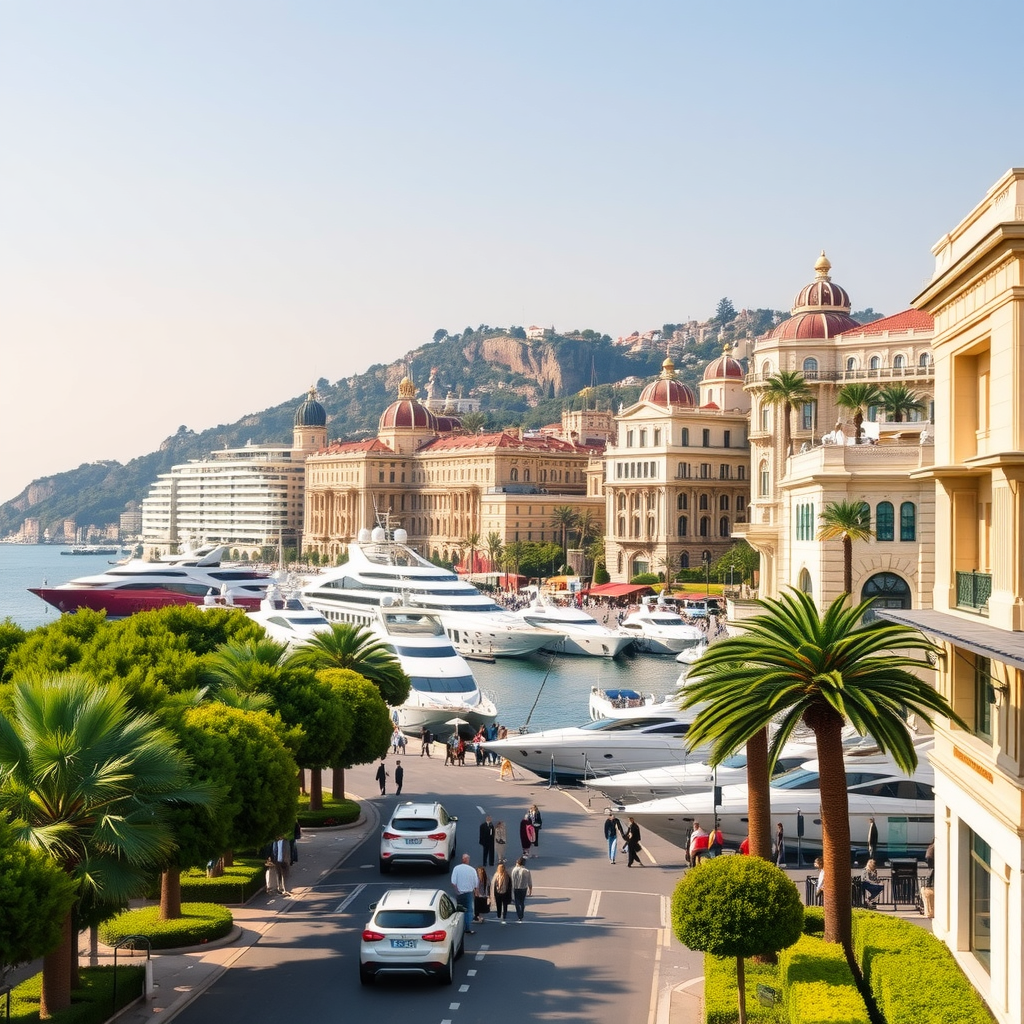
Relocating is always a significant step, and when it comes to moving to Monaco, the excitement is a little tinged with trepidation. Nestled on the French Riviera, this charming principality is synonymous with luxury, stunning sea views, and a lifestyle that many dream of. However, living in Monaco isn’t just about glitz and glamour; it requires a solid understanding of local customs, regulations, and living arrangements.
Whether you’re considering a more permanent move or simply seeking a fresh start in a captivating location, this guide will give you a comprehensive overview of what you need to know about emigrating to Monaco. From practical tips on housing to navigating immigration procedures, I’ve got you covered.
Understanding the Cost of Living in Monaco
One of the first realities you’ll encounter when moving to Monaco is the high cost of living. While it may be the playground of the rich and famous, it’s also essential to prepare your finances accordingly. The average cost of accommodation in Monaco can be extraordinarily high, with rental prices often exceeding £3,000 per month for compact apartments. If you’re looking at luxury properties, be prepared to pay significantly more.
Groceries and dining are also on the pricier side; however, the abundance of high-quality options often makes it worth the splurge. Not to forget, while there may be operational fees on your transactions due to the territory being a tax haven, it’s crucial to conduct thorough research to manage your expenses effectively.
Housing Options: Finding Your Perfect Home
Securing a residence is one of the first steps when learning how to live in Monaco. The property market here is unique, often requiring an understanding of local landlords and exclusive listings. Rental agreements are common, but buying property is an option for those meeting certain residency requirements.
The Principality is divided into several districts, each offering a unique vibe. For families, areas like Fontvieille and La Condamine are ideal, combining both residential peacefulness and accessibility to local amenities. If nightlife and high-end shopping are your priorities, consider living in Monte Carlo, famous for its extravagant casinos and luxury boutiques.
Moreover, it’s worth partnering with a knowledgeable local estate agent who can help navigate the competitive market and find arrangements that suit your needs and lifestyle.
Navigating Immigration to Monaco
Moving to Monaco requires an understanding of the immigration laws in place. Although Monaco is not part of the European Union, its immigration system can be relatively straightforward, especially for nationals of certain countries.
To reside in Monaco, you will need to apply for a residence permit. This can be done through the Monaco Government’s Department of External Relations. You must provide proof of adequate means of financial support—whether through employment, savings, or investments—as well as demonstrate accommodation arrangements in the Principality.
One significant consideration is that a residence permit doesn’t grant you automatic citizenship. This process can be lengthy and gradual, often taking several years, but it’s an exciting journey to undertake if you plan to make Monaco your home.
Embracing the Monaco Lifestyle
Adapting to your new environment is essential for a smooth transition. The Monaco lifestyle is uniquely vibrant, combining sophistication with a relaxed charm. It’s not all about extravagant parties and opulent living; the Principality is also rich in cultural events, art exhibitions, and sporting activities.
Enjoying the beautiful Mediterranean climate is key, and outdoor activities thrive—whether it’s sailing, hiking in the nearby mountains, or simply soaking up the sun on public beaches. Don’t forget to explore the local markets, where you can connect with residents and enjoy the bustling community atmosphere.
Make an effort to engage with local traditions and festivals, such as the Monaco Grand Prix and the Monte-Carlo Jazz Festival. Engaging with the community not only enriches your experience but also helps you form invaluable connections in your new home.
Moving to Monaco offers a unique blend of luxury and a high standard of living, making it an enticing destination. From its stunning Mediterranean views to its vibrant cultural scene, Monaco attracts residents from around the globe. For comprehensive guidance on relocating, visit https://www.relocation-monaco.com/ and discover essential tips to make your transition seamless and enjoyable.
The Importance of Local Networking
Living in Monaco can sometimes feel isolating, particularly due to its small size and elite ambience. Building a social network will greatly enhance your living experience. Social clubs, expat groups, and community events provide excellent opportunities to meet people who share similar interests and backgrounds.
Networking can also be advantageous for professional connections, especially if you are looking to expand your business or career opportunities in the area. Many local businesses thrive on referrals and personal connections, so getting involved in local initiatives can be an excellent move towards establishing your place in the community.
In addition, consider reaching out to online forums or social media groups dedicated to expatriates in Monaco. These platforms can provide crucial advice and support from those who have navigated the challenges and joys of moving to this stunning territory.
With its breathtaking scenery, rich cultural heritage, and welcoming community, moving to Monaco can transform your life in the most rewarding ways. Embrace the journey, and the Principality will undoubtedly offer you an extraordinary place to call home.
FAQ: Moving to Monaco
What should I know before moving to Monaco?
Before moving to Monaco, it’s important to understand its unique lifestyle, tax laws, and the cost of living. Familiarise yourself with local customs, housing markets, healthcare services, and job opportunities. Researching these aspects will help you adapt more smoothly.
Is it expensive to live in Monaco?
Yes, Monaco is known for its high cost of living. Housing prices are among the highest in the world. Besides rent or property purchase costs, consider expenses like groceries, dining out, and entertainment when budgeting for your move.
Do I need a visa to move to Monaco?
While Monaco itself does not issue visas or residence permits since it is not part of the EU or EEA directly; if you are a non-EU citizen planning on staying longer than three months (for work or residency), you’ll need a long-term visa from France before moving.
How do I find accommodation in Monaco?
Finding accommodation can be challenging due to limited options and high demand. It’s advisable to engage with local real estate agents who specialise in expat clients or search online listings tailored for foreign residents looking for flats or apartments.
Can I get healthcare in Monaco as an expatriate?
Yes! Residents of Monaco have access to high-quality healthcare services. If you’re employed by a company based in Monegasque territory, you can register with the public health system; otherwise, consider private health insurance options that provide adequate coverage.
Is there an international school system in Monaco?
Monaco offers several international schools providing education primarily following French curricula but also accommodating English-speaking programs. Research these institutions early on if you’re relocating with children since spaces can fill up quickly.
How does taxation work if I move to Monaco?
One of the benefits of relocating to Monaco is that there is no personal income tax for residents—however, ensure you meet prerequisites such as proving residency and financial stability. Additional consideration involves understanding other taxes like VAT and corporate tax implications if owning a business.
What language do they speak in Monaco?
The official language is French; however, English and Italian are widely spoken due largely because of the large expatriate community. Familiarising yourself with basic French phrases will be beneficial when integrating into daily life.
Are there job opportunities available for expats moving to Monte Carlo?
Job opportunities exist mainly within sectors such as tourism, finance (wealth management), hospitality industry along with international businesses operating locally; however competition may be intense given that most positions often require proficiency both in French and related skills relevant outside industries.


