

Introduction
In today’s fast-moving consumer and B2B landscapes, organisations continually seek growth through the development of new products. NPD, or new product development, is not merely about innovation for its own sake; it is a disciplined process that aligns market signals with strategic goals. For businesses of all sizes, understanding and leveraging market trends can reduce risk and accelerate time-to-market, delivering tangible competitive advantages.
Development of New Products: The Market Signals
The development of new products begins with deep market insight. Trends in consumer behaviour, regulatory changes, and technological advancements create openings for new offerings. A robust NPD strategy starts with:
- Identifying unmet customer needs and pain points
- Mapping trend trajectories across sectors
- Evaluating competitive landscapes and white spaces
- Quantifying potential demand, pricing, and profitability
By grounding product concepts in real market signals, organisations can prioritise initiatives with the highest growth potential and resource efficiency.
New Product Development Company: Selecting the Right Partner
For many organisations, collaborating with a reputable new product development company enhances capabilities beyond internal limits. A proficient partner brings expertise across ideation, rapid prototyping, and market validation. When selecting a partner, consider:
- Your strategic fit: Does the partner’s portfolio align with your target markets and capabilities?
- End-to-end capabilities: From concept to manufacturing readiness, including regulatory considerations.
- Track record: Case studies demonstrating successful launches and measurable outcomes.
- Cultural alignment: A collaborative mindset and transparent communication practices.
A well-chosen new product development company acts as an extension of your team, accelerating learning cycles and de-risking the NPD process.
Product Development Consultant: Strategic Guidance
A product development consultant can provide objective, structured input to refine your NPD strategy. Their value lies in ensuring your activities are aligned with strategic goals, not just technical feasibility. Key roles include:
- Market-focused ideation: Facilitating workshops to generate concepts rooted in customer insight.
- Portfolio strategy: Prioritising projects with the best balance of risk, return, and strategic fit.
- Process design: Establishing stage gates, milestones, and decision criteria to govern progression.
- Innovation governance: Implementing metrics and dashboards to track progress and impact.
Engaging a product development consultant helps organisations avoid common pitfalls such as feature creep, misalignment with customer needs, or misallocated resources.
New Product Development Services: Structured Pathways
New product development services encompass a range of offerings designed to streamline the journey from idea to commercialisation. A typical NPD service suite includes:
- Opportunity discovery: Ethnographic research, trend analysis, and qualitative validation.
- Concept development: Scoping, concept testing, and feasibility studies.
- Design and engineering: Industrial design, mechanical engineering, and materials selection.
- Prototyping and testing: Rapid prototyping, user testing, and iterative refinement.
- Regulatory and risk management: Compliance checks, certification, and risk assessment.
- Go-to-market planning: Positioning, pricing, channel strategy, and launch readiness.
- Scale-up and manufacturing support: Supplier selection, process validation, and production ramp-up.
Outsourcing components of the NPD process to experienced providers can yield cost efficiencies, shorter development cycles, and access to specialised capabilities.
New Product Development Consultant: Skills for Growth
A seasoned new product development consultant brings a toolkit of methodologies to accelerate growth. Their expertise typically includes:
- Design thinking and human-centred design: Ensuring products resonate with users.
- Lean startup and MVP approaches: Reducing waste and validating hypotheses early.
- Stage-gate modelling: Structured decision points to progress or pause projects.
- Market-access strategies: Assessing pricing, distribution, and regulatory pathways.
- Portfolio management: Balancing a mix of incremental and breakthrough projects.
Utilising a consultant can be especially valuable for organisations exploring new markets, technologies, or business models without committing to permanent resource expansion.
NPD New Product Development: An Integrated Approach
A strategic emphasis on npd new product development integrates market intelligence with rigorous product processes. This integrated approach generally encompasses:
- Market-driven discovery: Continual scanning of macro and micro trends to surface opportunities.
- Customer co-creation: Engaging customers in ideation to improve relevance and adoption.
- Iterative design: Short cycles of prototyping and testing to speed learning.
- Risk- and regulatory-informed design: Early assessment of compliance requirements and risk implications.
- Commercial experimentation: Pilot launches, price testing, and channel pilots to validate business models.
- Strategic alignment: Ensuring NPD initiatives advance broader corporate objectives and capabilities.
When executed coherently, npd new product development reduces waste, shortens time-to-market, and yields products that are better aligned with customer needs and financial targets.
Product Development Outsourcing: Gaining Speed and Specialised Capabilities
Product development outsourcing can be a strategic lever for growth. By engaging external specialists, organisations access advanced engineering, design, and go-to-market expertise without the overhead of full-time teams. Benefits include:
- Access to diverse capabilities: From advanced materials to digital services and data-driven product features.
- Increased flexibility: Scalable resources to match project demand and seasonality.
- Accelerated timelines: Parallel workstreams and experienced project governance.
- Fresh perspectives: External teams can challenge internal assumptions and spark innovative ideas.
However, successful outsourcing requires clear governance, robust IP protection, and well-defined communication channels to maintain alignment with strategic goals.
New Product Development Companies: Choosing and Collaborating
The market hosts a spectrum of new product development companies, ranging from boutique practices to large-scale innovation studios. Effective collaboration hinges on:
- Alignment with strategic objectives and target markets
- Transparent project management and milestone-based progress reporting
- Clear roles and responsibilities, including decision rights at stage gates
- Intellectual property clarity and risk management
- A culture of iterative learning and openness to feedback
A strong partnership accelerates capability development within your organisation while ensuring disciplined execution.
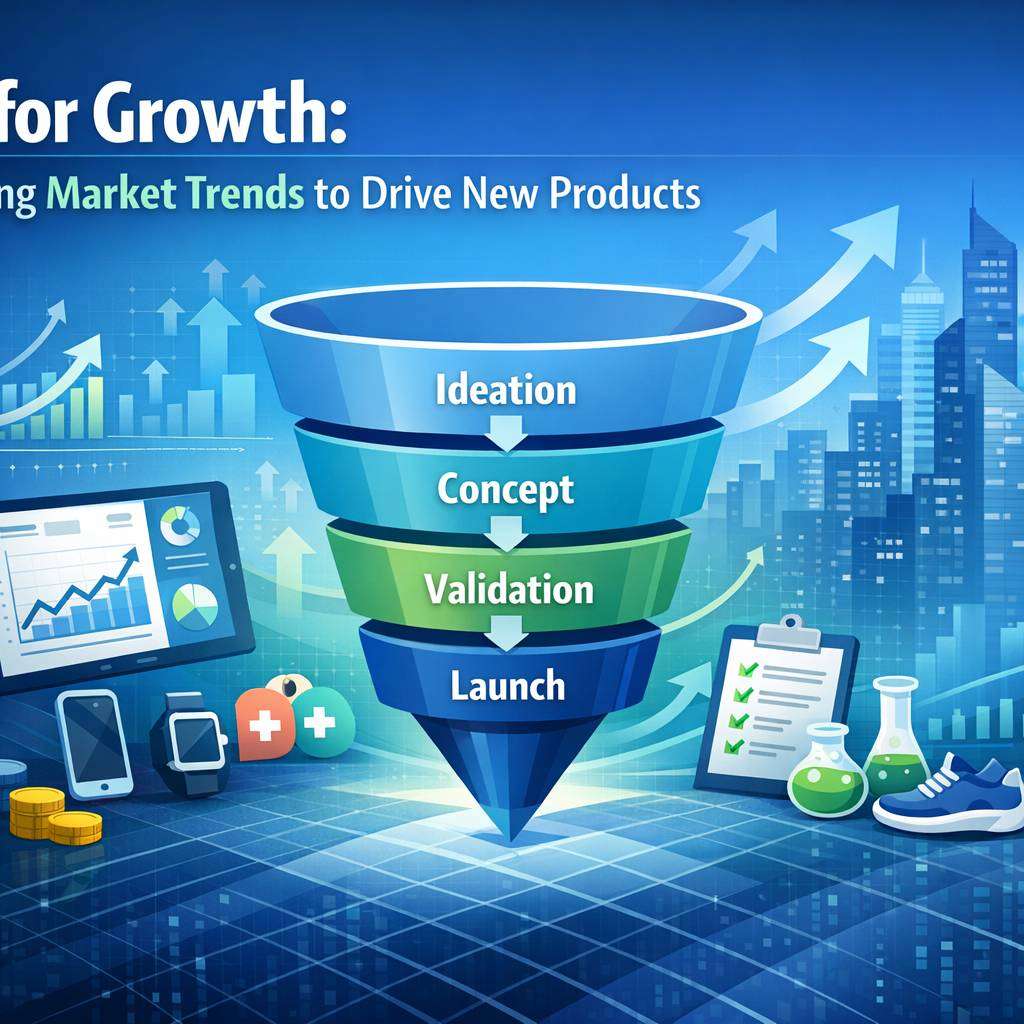
Harnessing efficient npd new product development processes accelerates market success. Explore cutting-edge strategies at https://forward-npd.com/ to optimize ideation, validation, and launch. This approach aligns teams, reduces risk, and ensures customer-driven outcomes across portfolios.
Embedding Trend-Driven NPD into Organisational Practice
To sustain growth, embed market-trend intelligence into your NPD culture. Practical steps include:
- Regular trend briefings and scenario planning sessions
- A living NPD portfolio with rapid reassessment cycles
- Cross-functional teams that include marketing, design, engineering, and procurement
- Ongoing customer validation throughout development stages
- Post-launch learning loops to inform future iterations
By embedding these practices, organisations build resilience and adaptability, turning market movements into concrete product wins.
If you would like, I can tailor this article to a specific industry sector or provide case studies illustrating successful application of NPD best practices.