

Maintaining your tennis court is essential for both performance and longevity. Over time, wear and tear can lead to the need for resurfacing, which is a crucial aspect of tennis court maintenance. This article will break down the costs involved in tennis court resurfacing and provide insights into what you need to consider before diving into the project.
Understanding Tennis Court Resurfacing
Before we delve into the costs, let’s first highlight what tennis court resurfacing entails. Resurfacing generally involves the removal of the top layer of the existing court surface and applying a new finish. This process not only enhances the appearance of your court but also improves playability, ensuring a smoother surface that is safer and more enjoyable for players.
The main reasons to consider resurfacing include:
- Uneven surfaces that can lead to player injury
- Aesthetic issues with fading colours
- Cracked or damaged surfaces that require repairs
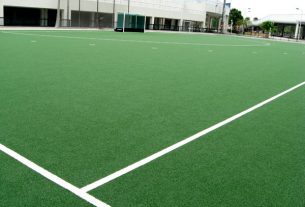
Different types of surfaces may require different techniques. For example, a traditional hard court surface may need to be treated differently than an artificial grass tennis court. It’s important to choose a contractor experienced in your court type to ensure optimal results.
Breakdown of Costs
1. Initial Inspection and Preparation
The first step in tennis court resurfacing is typically an initial assessment by a professional. This inspection is crucial as it identifies the extent of repairs needed before the resurfacing can begin. For basic inspections, you can expect to pay between £100 to £200. If significant repairs are identified, the costs could rise depending on the extent and type of repairs required.
2. Tennis Court Repairs
If your tennis court shows signs of damage, tennis court repairs will be necessary prior to resurfacing. Common repairs include filling cracks, repairing broken nets, and fixing drainage issues. On average, repairs can cost anywhere from £300 to £1,000, depending on the severity of the damage. If your court surface is made of traditional materials, you might encounter additional costs depending on the specialised techniques required for patching and resurfacing.
3. Resurfacing Costs
Resurfacing itself is where the bulk of your expenses will come into play. The cost of resurfacing can vary greatly depending on the type of surface you have and the specific materials used. Here’s a general breakdown:
-
Acrylic Resurfacing: Typical costs for acrylic resurfacing range from £2,000 to £4,000 for a full court. Acrylic provides a durable and versatile playing surface, making it a popular option.
-
Artificial Grass Tennis Court Resurfacing: If your court is covered with artificial grass, the resurfacing costs may vary from £3,000 to £5,000. The cost includes not only resurfacing but also the potential replacement of outdated or worn-out grass.
-
Asphalt or Concrete Resurfacing: Costs can range from £2,500 to £5,000, depending on the thickness and quality of the asphalt or concrete used.
Acrylic Resurfacing: Typical costs for acrylic resurfacing range from £2,000 to £4,000 for a full court. Acrylic provides a durable and versatile playing surface, making it a popular option.
Artificial Grass Tennis Court Resurfacing: If your court is covered with artificial grass, the resurfacing costs may vary from £3,000 to £5,000. The cost includes not only resurfacing but also the potential replacement of outdated or worn-out grass.
Asphalt or Concrete Resurfacing: Costs can range from £2,500 to £5,000, depending on the thickness and quality of the asphalt or concrete used.
Overall, resurfacing costs can accumulate quickly, so it’s essential to obtain several quotes from reputable contractors before making a decision. Many companies specialise in tennis court installation and resurfacing, providing tailored recommendations based on your needs.
Tennis court resurfacing is essential for maintaining optimal playability and safety. A well-resurfaced court enhances performance while prolonging the surface’s lifespan. For expert services and high-quality materials, rely on professionals who specialize in this crucial maintenance task. Learn more about the best options at https://www.artificialgrassmaintenance.co.uk.
4. Additional Maintenance Costs
Once your court has been resurfaced, regular tennis court maintenance is critical to prolong its life and maintain play quality. Here are a few ongoing costs to keep in mind:
-
Tennis Court Cleaning: Professional cleaning services can cost between £100 to £300, depending on court size and cleaning frequency. Regular cleaning helps prevent moss and debris buildup, which can damage surfaces over time.
-
Routine Inspections and Minor Repairs: Setting aside a budget for inspection and minor repairs (£200 to £500 annually) will help you stay ahead of larger issues in the future.
-
Repainting Court Lines and Markings: This aspect may require additional funds for touch-ups, typically within a range of £200 to £600 every few years, depending on usage and weather conditions.
Tennis Court Cleaning: Professional cleaning services can cost between £100 to £300, depending on court size and cleaning frequency. Regular cleaning helps prevent moss and debris buildup, which can damage surfaces over time.
Routine Inspections and Minor Repairs: Setting aside a budget for inspection and minor repairs (£200 to £500 annually) will help you stay ahead of larger issues in the future.
Repainting Court Lines and Markings: This aspect may require additional funds for touch-ups, typically within a range of £200 to £600 every few years, depending on usage and weather conditions.
Choosing the Right Contractor
When considering contractor options for tennis court resurfacing or installation, it’s essential to choose someone with the appropriate expertise. Look for professionals who can provide testimonials, before-and-after photos, and detailed information about their resurfacing techniques.
Additionally, assess whether they offer artificial grass tennis solutions if you’re contemplating a transition from traditional surfaces. The right contractor will discuss your needs, budget, and specific use cases for your court, ensuring you make a well-informed choice.
By understanding the breakdown of costs involved in tennis court resurfacing, you can better prepare for this important investment. Whether you’re a passionate player or manage a community court, maintaining quality surfaces will enhance the experience for everyone involved. Happy playing!