

When it comes to managing your taxes, it’s essential to stay informed and understand all the necessary regulations. At Relocation Monaco, we offer expert advice and assistance to help you navigate the complexities of tax requirements efficiently. Whether you need help with personal or corporate taxes, our team is here to provide tailored solutions that meet your needs. Visit https://www.relocation-monaco.com/ to learn more about our tax services and how we can support your financial goals.
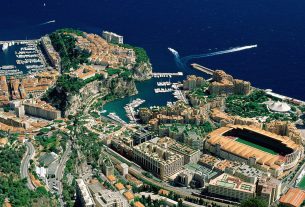
Monaco is a glamorous principality known for its luxurious lifestyle and stunning landscapes, attracting wealthy individuals from around the globe. One of the most appealing aspects of living in Monaco is its tax system, which has long been a point of interest for those seeking financial advantages. In this article, we will delve into the intricacies of Monaco taxes and provide you with all the information you need to know about the tax system in this prestigious city-state.
Contrary to popular belief, Monaco is not entirely tax-free. While it is true that Monaco does not impose income tax on its residents, there are other taxes that residents and businesses must be aware of. Understanding the tax system in Monaco is essential for anyone considering relocating to this glamorous destination, so let’s explore the various aspects of Monaco taxes in more detail.
Is Monaco a Tax Haven?
Many people view Monaco as a tax haven due to its reputation for being a low-tax jurisdiction. While Monaco does offer significant tax advantages to its residents, it is essential to understand that being a tax haven does not mean that there are no taxes at all. Monaco is classified as a tax haven mainly because it does not levy income tax on individuals. However, there are other taxes that residents must pay, such as corporate tax, value-added tax (VAT), and property taxes.
Monaco Tax Rates
Monaco is renowned for having very low tax rates compared to other countries. The absence of income tax is undoubtedly attractive to high-net-worth individuals looking to preserve their wealth. Corporate tax in Monaco is set at a flat rate of 33.33%, which is considerably lower than in many other European countries. Furthermore, there are no capital gains taxes or wealth taxes in Monaco, making it an appealing destination for those looking to grow their assets without being heavily taxed.
Tax FAQs
1. What is a tax?
A tax is a mandatory financial charge imposed by the government on individuals or businesses to fund public expenditures.
2. Why do I have to pay taxes?
Taxes are essential for funding public services such as education, healthcare, transportation, and infrastructure. Without taxes, the government would not be able to provide these services.
3. How is my tax rate determined?
Your tax rate is determined by your income level and filing status. The government uses a progressive tax system where higher incomes are taxed at higher rates.
4. What deductions or credits can I claim on my taxes?
There are various deductions and credits available to reduce your taxable income, such as the mortgage interest deduction, medical expenses deduction, and child tax credit. It’s important to consult with a tax professional to determine which ones you qualify for.
5. When is the deadline for filing my taxes?
The deadline for filing federal income taxes in the United States is typically April 15th each year unless it falls on a weekend or holiday.
6 Do I have to file taxes if I didn’t earn any income this year?
Even if you did not earn any income during the year, you may still be required to file taxes if you meet certain criteria (e.g., if you had self-employment income above a certain threshold).
7 Can I get an extension on filing my taxes?
Yes, you can request an extension from the IRS that will give you additional time (typically six months) to file your taxes. However, it’s important to note that an extension only applies to filing your return; any taxes owed must still be paid by the original deadline.
8 What happens if I don’t pay my taxes on time?
If you fail to pay your taxes by the deadline, you may incur penalties and interest charges on any unpaid amount. It’s best to contact the IRS immediately if you’re unable to pay so they can work with you on setting up payment arrangements or other solutions.
Always consult with a qualified tax professional for personalised advice regarding your specific tax situation.
Monaco Income Tax
One of the most significant advantages of living in Monaco is the absence of income tax for residents. This means that individuals who are considered tax residents of Monaco do not have to pay income tax on their earnings. However, it is crucial to meet specific criteria to be eligible for tax residency in Monaco, including spending a minimum number of days in the country each year and proving that your main place of residence is in Monaco.
Monaco Tax-Free
While Monaco is often referred to as a tax-free haven, it is essential to understand that this term is not entirely accurate. While residents do not pay income tax, they are still subject to other taxes, such as corporate tax and VAT. Additionally, Monaco has tax treaties with various countries to prevent tax evasion and ensure that residents pay taxes on their worldwide income.
In conclusion, Monaco offers a unique tax system that is highly advantageous for individuals and businesses looking to reduce their tax burden. While Monaco does not impose income tax on residents, there are other taxes that must be considered, such as corporate tax and VAT. Understanding the tax system in Monaco is crucial for anyone considering relocating to this prestigious city-state. With its low tax rates and attractive financial incentives, Monaco remains a top choice for those seeking a tax-efficient lifestyle in a stunning Mediterranean setting.